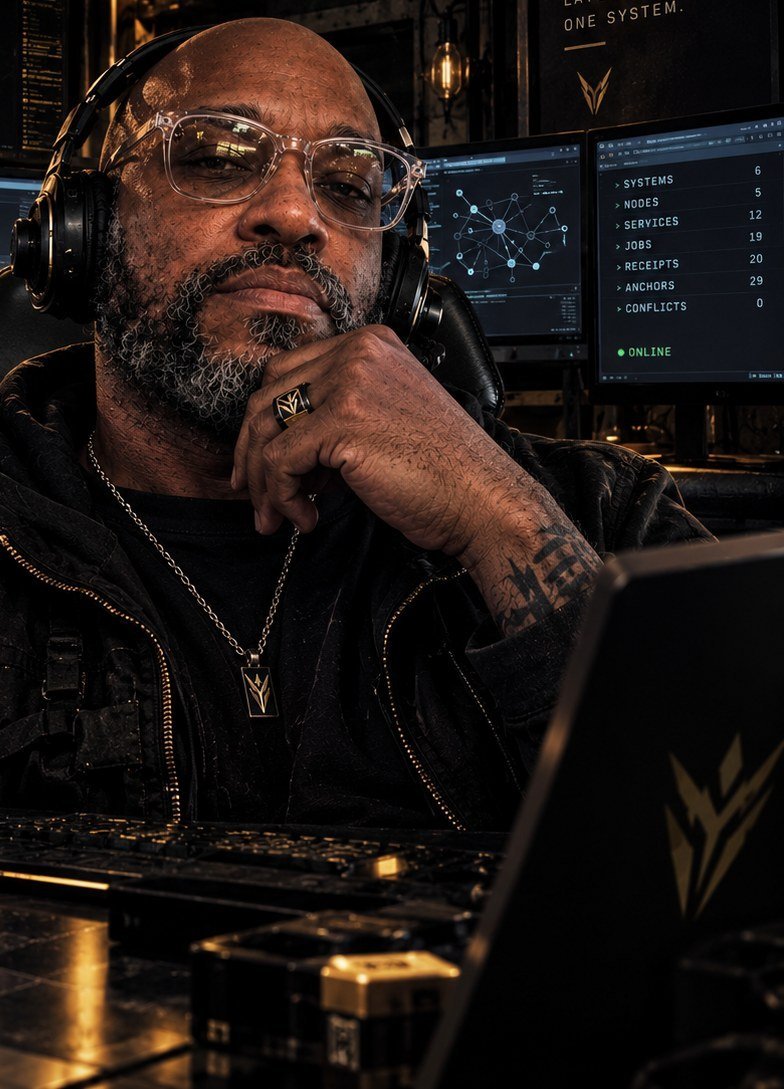
Different mediums.
The same curiosity.
What makes an experience connect with someone?
It started with a joystick
Long before Villain Media Entertainment had a name, I was already making things. It started around 1982 with a joystick, a keyboard, and an IBM computer. Playing games wasn’t enough for long. I wanted to make my own, and back then that meant writing the code yourself, line by line, just to make something happen on the screen.
That curiosity never went away: figuring out how something works, changing it, building something new. It just kept finding new places to go.
Many names. One curiosity.
Over the years, I’ve picked up a few names. Each one belongs to a different part of the work.
What connects it all
My work has taken me through storytelling, voice performance, audio production, digital media, gaming, and technology. They may look like separate pursuits, but I keep coming back to the same question: what makes an experience connect with someone?
The paths that brought me here
Every path taught me something different.
I’ve been narrating and editing since the 1990s. Voice work taught me how much meaning can live in tone, pacing, and silence.
As Harbinger.X, horror narration and creepypasta taught me how little it takes to pull someone into another world: a voice, a pause, the right atmosphere, the feeling that something is just slightly off.
Production taught me what happens behind the performance. Editing, timing, sound, structure, and pacing can completely change how something is experienced. It’s the work I bring to shows like The Divinity Within.
Gaming gave me another way to think about immersion. A game doesn’t just tell you what’s happening. It asks you to enter the world, make choices, react, and become part of the experience. Call of Duty, Grand Theft Auto, and plenty of others showed me how a world can pull you in and keep you there.
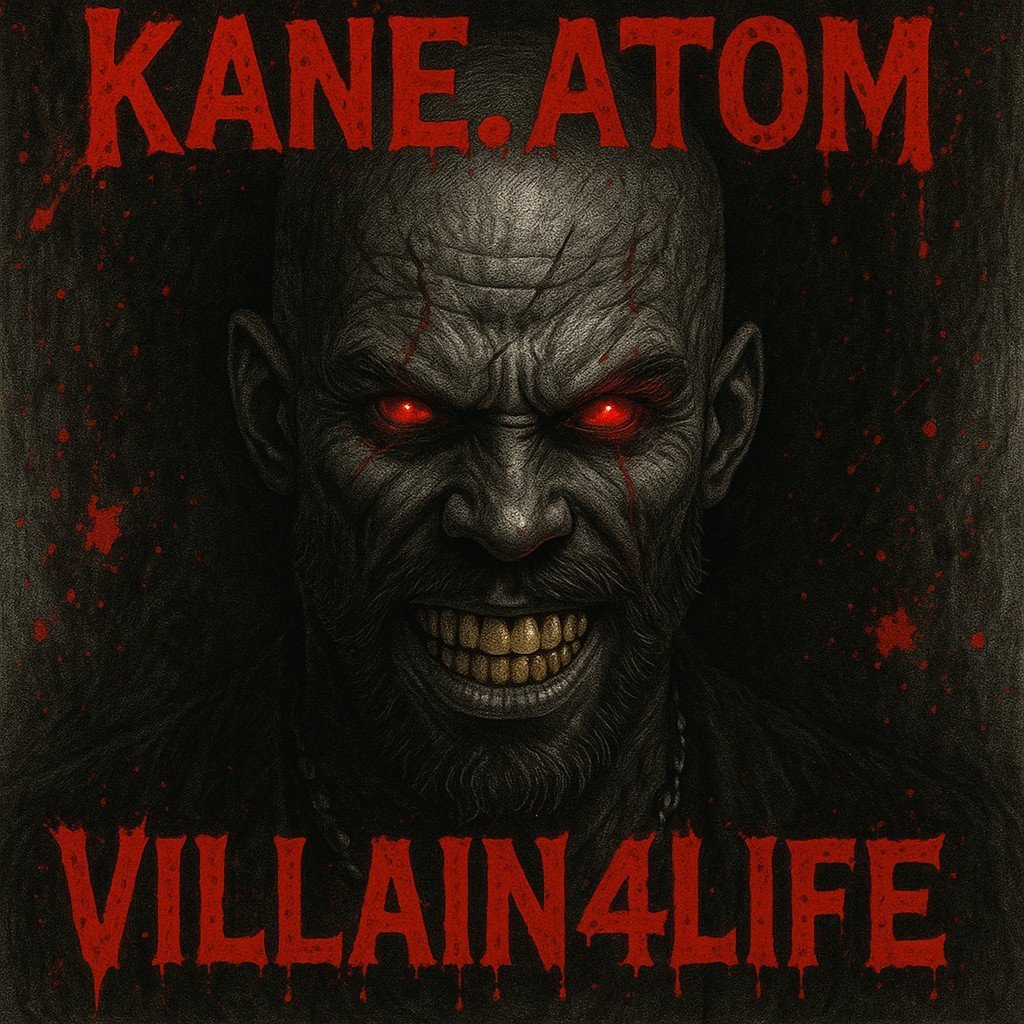
Digital media is where it all came together. It gave me a place to put a voice, a story, and an idea in front of an audience, see how people respond, and try again. Through Kane Atom, EverSooCreepy / The E.S.C. Project, and collaborations across the online horror and narration community, I kept finding new ways to work with voice, story, atmosphere, and audience.
Why Villain Media Entertainment exists
Long before it was a company, “Villain” was my name online. I gamed as UVN King Villain, and United Villain Nation was the community that grew around it. When I needed a home for everything I make, it already had a name.
Eventually, I stopped thinking of voice work, storytelling, gaming, and technology as separate interests. I wanted a home for the work, and room for an idea to become whatever it needed to be.
Sometimes that becomes a story someone listens to in the dark. Sometimes it’s something I build just to see if I can make it work. And sometimes it becomes something like Sovanch. I don’t need to know which one an idea will be before I begin.
I don’t think everything has to fit neatly into one box. The best ideas often happen where different worlds meet.
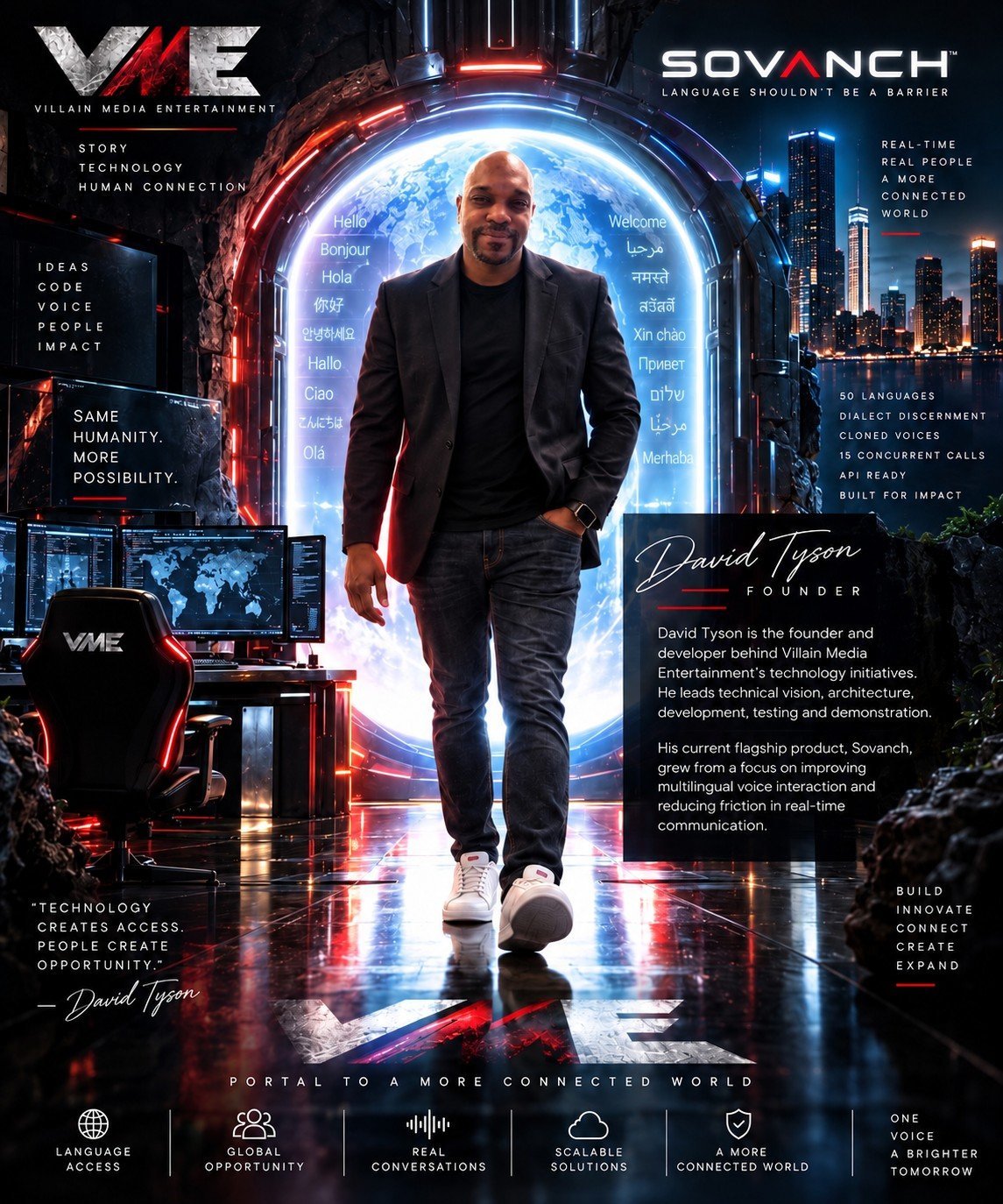
Where different worlds meet
“Technology creates access. People create opportunity.”
The same curiosity that pulled me into stories led me to a different question: what if language didn’t have to stand between people?
Where Sovanch began
I spent years in customer and technical support, including work in urgent medical support environments. In those roles, I saw the same problem from different angles: when communication breaks down, everything else gets harder.
A device can be working. The person on the other end can be trying to help. But if language, clarity, or context gets in the way, the experience gets harder for everyone involved.
Communication was often the missing link. That stayed with me, and it led to a question:
What if technology could help people communicate across languages without losing the context, tone, and human connection that make a conversation work?
So I started building it. Sovanch is a live multilingual voice and context bridge, and I lead its technical vision, architecture, development, testing, and demonstration.
Where the work goes next
Sovanch didn’t replace the creative work that came before it. It became another way for me to think about connection, this time through the technology people use to understand one another.
I still work with voice, stories, sound, and new ideas. Villain Media Entertainment gives me room to follow that work wherever it leads.

Got a story that needs a voice?
Looking for a voice, audio production, or someone to help bring an idea to life? Tell me what you’re making.